 18 Aug 2025
🧪 Chemistry: The Central Science of Everyday Life
🧪 Chemistry: The Central Science of Everyday Life
Chemistry is often called the “central science”, and for good reason. It connects physics, biology, medicine, engineering, and even environmental studies. Whether we realize it or not, Chemistry is all around us — in the air we breathe, the food we eat, and the technologies we use every day.
🔬 What is Chemistry?
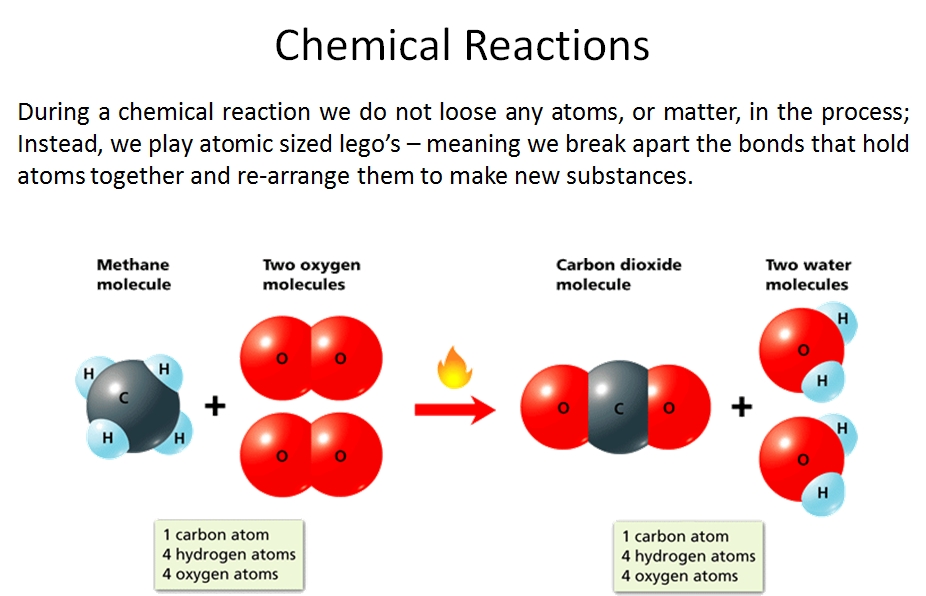
Chemistry is the scientific study of matter—its properties, composition, structure, and the changes it undergoes. Simply put, it helps us understand what things are made of and how they interact with each other. From a drop of water to the stars in the sky, Chemistry explains the building blocks of the universe.
🌍 Chemistry in Daily Life
Cooking: Boiling water, baking bread, or fermenting yogurt are all chemical processes.
Health: Medicines, vaccines, and diagnostic tests rely heavily on Chemistry.
Cleaning: Soaps, detergents, and disinfectants are chemical products that keep us safe.
Environment: Air pollution, climate change, and renewable energy solutions are explained using Chemistry.
🧭 Branches of Chemistry
Organic Chemistry – Studies carbon-based compounds like fuels, plastics, and medicines.
Inorganic Chemistry – Explores metals, minerals, and non-carbon compounds.
Physical Chemistry – Examines energy, reactions, and states of matter.
Analytical Chemistry – Focuses on identifying and measuring substances.
Biochemistry – Studies the chemical processes in living organisms.
Environmental Chemistry – Deals with pollutants, natural cycles, and sustainability.
💡 Why Chemistry Matters
Innovation: Chemistry drives inventions, from renewable batteries to nanotechnology.
Sustainability: Green Chemistry creates eco-friendly materials and processes.
Future Careers: Fields like pharmaceuticals, chemical engineering, and biotechnology depend on strong Chemistry foundations.
✅ Conclusion
Chemistry is not just a subject in textbooks; it is the science of life itself. It gives us the tools to solve global challenges such as energy crises, climate change, and medical advancements. By studying Chemistry, we gain a deeper appreciation for the world around us and the power to shape a better future.
Comments (0)

Share this course with others !
Copy & paste the link to share

Share directly on: